The Gibb River Road is 660 kilometres of corrugated dirt between Derby and Kununurra through the heart of the Kimberley. It’s one of Australia’s most iconic 4WD routes — remote, beautiful, demanding, and completely unforgettable. This Gibb River Road camping guide covers the campsite highlights, track conditions, logistics, permits, and gear you’ll actually need to do it properly.
Gibb River Road Basics: What to Expect
The Gibb is open to vehicle traffic year-round but is only sensibly driveable in the Dry season (May to October). During the Wet, sections flood completely, river crossings become impassable, and many stations close. Plan for Dry season travel.
The road itself varies from reasonably graded dirt to seriously corrugated, rocky, and rutted track — often within the same day. Conditions depend heavily on when it was last graded and how much traffic has churned it up. Expect: washboard corrugations, sharp rocks, creek crossings, river crossings (some deeper than you’d like), and the occasional bog in shaded creek beds even in the Dry.
How Long Does the Gibb River Road Take?
Pure drive time, end to end, is around 8–10 hours — but nobody does it that way. To properly explore the gorges, stations, and campsites, allow 10–14 days minimum. Most people spend 12–16 days and still feel they rushed it. If you’ve driven this far, take the time to do it right.
Best Campsites on the Gibb River Road
Windjana Gorge National Park
About 20km south of the Gibb via the Windjana Gorge Road, this DBCA-managed campsite offers excellent facilities (for Gibb standards) — hot showers, flush toilets, and a walking track into one of Australia’s most spectacular limestone gorges. Freshwater crocs are resident and unfazed by visitors. Book via the DBCA online system; it fills weeks ahead in July.
El Questro Wilderness Park
A private station with multiple camping options from basic bush camps to powered sites and glamping. Entry fee applies per person (multi-day). Access to Zebedee Springs thermal pools (morning only), Emma Gorge, Amalia Gorge, and El Questro Gorge. Pricier than station camps but the gorge access is exceptional.
Home Valley Station
One of the larger stations on the Gibb, with powered and unpowered camping, a bar, and a pool. Great base for day trips to the Pentecost River crossing (one of the Gibb’s most photographed spots) and surrounding country.
Bell Gorge (Silent Grove)
Considered by many travellers to be the most beautiful stop on the Gibb River Road. A tiered waterfall dropping into a deep pool, surrounded by red rock country. DBCA campsite with basic facilities. Book early — very popular in peak season.
Manning Gorge
Located on Mount Elizabeth Station, Manning Gorge requires a swim across the creek to access (usually waist-deep in the Dry). The campsite on the station side is basic but well-run. Station fee applies. One of the most isolated-feeling gorge camps on the route.
Gibb River Road Camping Guide: Permits and Station Fees
Most of the gorges on and off the Gibb are accessed through private station properties. There is no free-for-all access. Every station has its own fee structure — typically a per-person or per-vehicle entry fee that covers gorge access and camping. Pay what’s asked; these stations maintain the infrastructure that makes the experience possible.
DBCA-managed sites (Windjana, Bell Gorge, Adcock Gorge) require pre-booking through the DBCA national park booking system. Do this before you leave home — don’t assume spots will be available.
Fuel and Supplies on the Gibb
Fuel is available at Derby, Fitzroy Crossing (for southern side trips), Drysdale River Station (roughly mid-route), and Kununurra at the east end. Some stations sell fuel but prices reflect their remoteness — carry a long-range tank or additional jerry cans. The rule: never pass a fuel stop without at least filling to 3/4.
Resupply of food is minimal on the Gibb. Some stations sell basic groceries. Pack your full pantry from Derby or Kununurra and keep it organised for easy access. Our camp kitchen range includes the tools you need for proper meals through 10+ days of remote camping.
Gear for the Gibb River Road
The Gibb punishes poor preparation. These are non-negotiables:
- Two full-size spare tyres (not space savers — they’re useless on this road)
- Satellite communicator (zero mobile coverage for most of the route)
- Long-range fuel tank or minimum 40L jerry can capacity
- Recovery kit — snatch strap, KERR, MaxTrax, hi-lift jack
- Water carrying capacity for 3+ days (stations vary in quality)
- Camp kitchen self-contained and vibration-proofed for corrugated tracks
Keeping your camp organised on a multi-week Gibb trip makes every camp night easier. The Waxed Canvas Cutlery Roll and Canvas Spice Bag from OutBakka are built for exactly this — compact, moisture-resistant, and quick to deploy after a full day on the corrugations. Store everything in canvas organiser bags that won’t disintegrate on the first rough section.

Featured Gear
Waxed Canvas Cutlery Roll
Oil-waxed canvas cutlery roll that keeps your utensils organised, moisture-resistant and packed tight. Essential for serious overlanding in remote Australia.
View Product →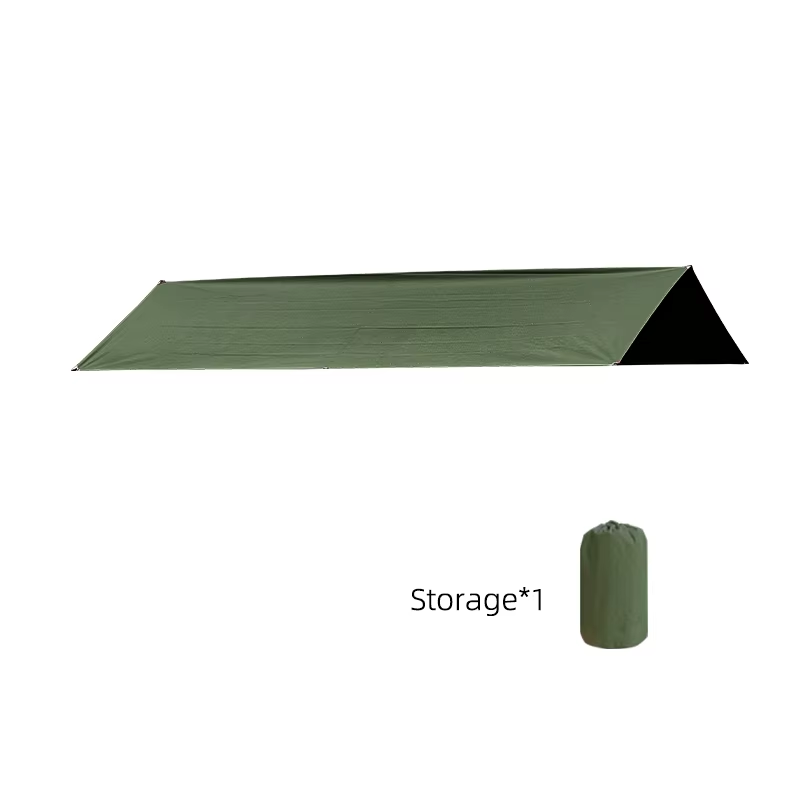
Featured Gear
OutBakka Ranger Canopy
Heavy-duty shade canopy for basecamp setup. Quick single-person deployment, built for Kimberley wind and sun. Ideal for gorge camp afternoons.
View Product →Key Takeaways
- ✔ Plan 10–14 days minimum — rushing the Gibb means missing its best spots
- ✔ Book DBCA campsites before you leave home — they fill weeks in advance
- ✔ Pay station fees — they fund the access and infrastructure you’re using
- ✔ Two full-size spares, not space savers
- ✔ Never pass a fuel stop without filling up
- ✔ Satellite communicator is essential — no mobile coverage on most of the route
Frequently Asked Questions
Is the Gibb River Road suitable for caravans?
Standard caravans are not recommended. The corrugations cause significant stress on caravan chassis and couplings, and the distance between services is too great for many caravan setups to manage comfortably. Some robust off-road caravans and camper trailers handle it with experienced drivers. Research your specific rig carefully before committing.
What is the best direction to drive the Gibb River Road?
West to east (Derby to Kununurra) is the most common direction and works well. East to west is equally valid. Your logistics will usually dictate direction — where you’re starting your broader Kimberley trip from. Neither direction is significantly harder than the other.
Do I need a permit to drive the Gibb River Road?
No permit is needed to drive the main Gibb River Road itself — it’s a public road. Permits or entry fees apply when you turn off the Gibb onto station property to access gorges or camping. Each station manages its own access — research each stop individually before you go.
What is the road condition of the Gibb River Road?
It varies significantly by section and season. It’s graded periodically but corrugations return quickly under traffic. Expect everything from smooth, fast dirt to seriously rough, rocky sections. Check current conditions with the Shire of Derby-West Kimberley before departure and ask at each station as you travel — they have the most current information.
The Gibb River Road is the kind of trip that changes how you think about travelling in Australia. Go prepared, take your time, and you’ll understand why people drive thousands of kilometres just to get there. Start building your gear list at OutBakka — quality gear that earns its place in the rig.