If you’ve ever pulled a cast iron wok out of storage to find a rusty, sticky mess, you know the pain. Knowing how to season a cast iron wok for camping is one of those skills that separates decent camp cooks from great ones. A well-seasoned wok means food slides right off, cleanup takes two minutes, and your cookware lasts decades. In this guide we’ll walk you through the exact process — from the first season to ongoing maintenance in the field — so your wok performs flawlessly whether you’re on a beach in Exmouth or deep in the Pilbara.
Why Cast Iron Wok Seasoning Matters for Camp Cooking
Cast iron is porous. Without a proper seasoning layer — polymerised oil bonded to the metal — food sticks, rust forms fast, and the reactive surface can taint your meals. In a camping context, you’re often cooking over open flame or a camp stove, dealing with humidity and dust. Seasoning creates a protective, non-stick barrier that handles all of it.
A forged iron wok is particularly well-suited to bush cooking. The thin walls heat faster than a heavy cast iron pan, and the curved sides let you toss ingredients without losing half your dinner to the fire. Check out the range in our camp kitchen and cooking gear section for quality options built for Australian conditions.
Featured Gear
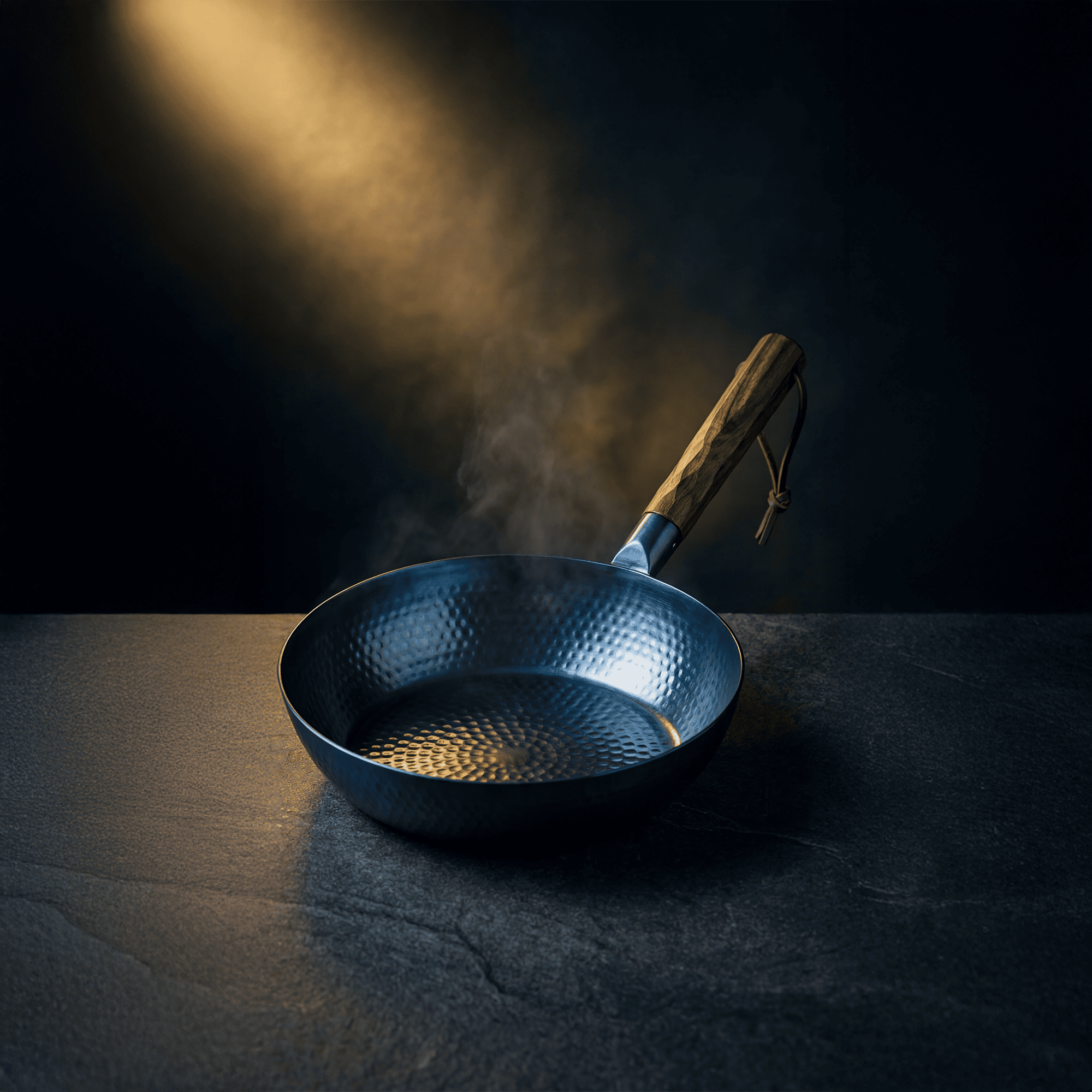
Forged Iron Traditional Wok
Hand-hammered forged iron wok designed for high-heat camp cooking. Lighter than cast iron, tougher than non-stick. Seasons beautifully.
View Product →What You Need to Season a Cast Iron Wok Camping
Before you start, gather these basics:
- Your cast iron or forged iron wok
- High smoke-point oil (flaxseed, grapeseed, or rice bran oil)
- Paper towels or a clean cloth
- A heat source — gas burner, camp stove, or open fire
- Soap and water for the initial wash only
Choosing the Right Oil
Not all oils are equal. You want something with a high smoke point so it polymerises properly rather than going gummy. Flaxseed oil gives the hardest initial seasoning. For field touch-ups, rice bran oil or even a wipe of lard works perfectly. Avoid olive oil — it smokes too early and leaves a sticky coating that attracts dirt in the bush.
Step-by-Step: How to Season a Cast Iron Wok for Camping
Step 1 — Initial Wash
New woks come with a factory coating (usually a thin layer of machine oil or beeswax). Scrub it off with warm soapy water and a stiff brush. This is the only time soap touches your wok. Rinse thoroughly and dry immediately — cast iron rusts fast when wet.
Step 2 — Burn Off Moisture
Place the wok on your camp stove or over the fire on medium-high heat. Let it heat for 2–3 minutes until all moisture evaporates. You’ll see it darken slightly. This is good. Remove from heat and let it cool to warm — not cold, just comfortable to touch.
Step 3 — Apply a Thin Oil Layer
Using a folded paper towel or cloth, wipe a very thin layer of oil all over the wok — inside, outside, handle. Thin is critical. Too much oil and you’ll end up with a sticky, uneven surface. Think “barely there” — if it looks oily, you’ve used too much. Wipe off the excess.
Step 4 — Heat Until It Smokes
Return the wok to the heat. Crank it up to high. The oil will smoke — that’s exactly what you want. Keep heating until the smoking stops (usually 3–5 minutes). The oil has now polymerised into the iron. Repeat this process 3–4 times for a solid initial seasoning. Each layer builds on the last.
Step 5 — First Cook
Your first camp cook on a newly seasoned wok should be something fatty — bacon, rendered pork belly, or a stir-fry with plenty of oil. This adds another seasoning layer naturally. Avoid acidic foods (tomatoes, citrus) for the first few uses as they can strip the seasoning before it’s fully established.
Maintaining Your Wok Seasoning in the Field
After each use in camp, clean the wok while it’s still warm. Use hot water and a stiff brush — no soap. For stubborn bits, add a small amount of water, put it back on heat and scrape with a wooden spatula. Dry thoroughly over the flame, then wipe with a tiny bit of oil before storing. That’s the routine.
Store your wok in a dry spot — not in a damp camp bag. A breathable canvas bag is ideal. Check out our canvas storage and organiser range for wok-friendly carry solutions that keep moisture out and your gear protected.
Fixing a Rusted or Damaged Wok Seasoning
Found your wok rusty after a wet trip? Don’t bin it. Scrub with steel wool and water to remove all the rust, wash with soap, rinse, dry completely over heat, then re-season from Step 3 above. Cast iron is almost impossible to destroy — it just needs a bit of love to come back.
Featured Gear
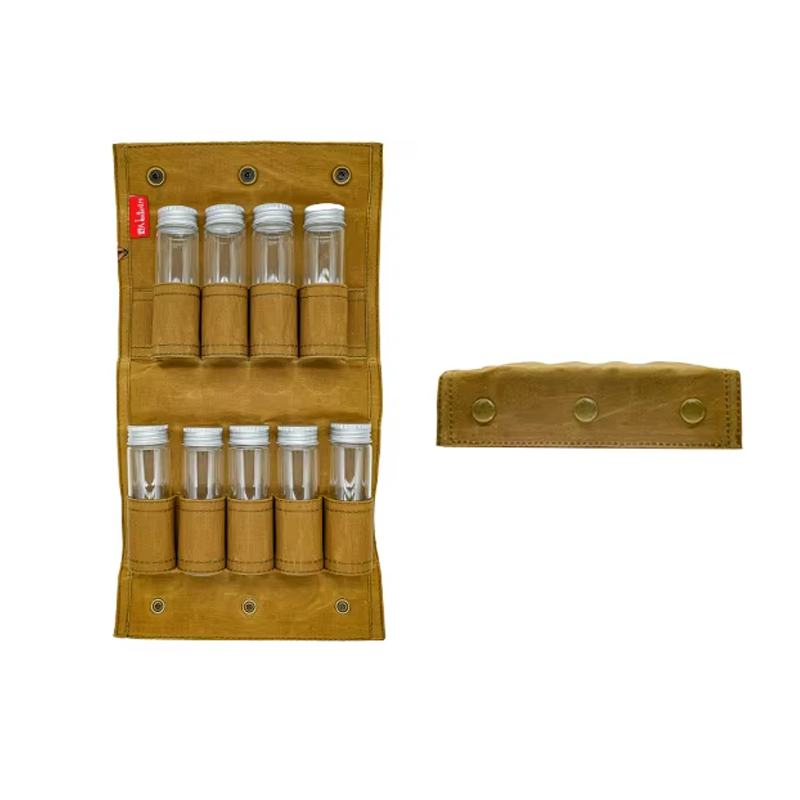
Canvas Spice Storage Bag
Keep your camp kitchen spices organised and protected. 9 x 50ml glass bottles in a durable canvas roll — perfect for the overlanding cook.
View Product →Key Takeaways
- ✔ Always wash a new wok with soap once, then never again
- ✔ Apply oil in thin layers — thick coats go gummy
- ✔ Heat until smoking to polymerise the oil properly
- ✔ Maintain after every use with hot water, brush, and a light oil wipe
- ✔ Avoid acidic foods until seasoning is well established
- ✔ Rust is fixable — steel wool, re-wash, re-season
Frequently Asked Questions
Can I use a cast iron wok directly on a campfire?
Yes. Cast iron and forged iron handle open flame well. Just be aware that direct flame can build up carbon deposits on the outside. That’s fine — it doesn’t affect cooking. For very intense fires, let the wok heat gradually rather than dropping it straight into coals to avoid thermal shock on thinner woks.
How often do I need to re-season a cast iron wok camping?
With regular use and proper post-cook care, your wok naturally re-seasons itself every time you cook with oil. A full re-season from scratch is only needed if the wok rusts, the surface becomes uneven, or you’ve accidentally used soap or cooked acidic foods that stripped the coating.
What oil is best for seasoning a cast iron wok in the bush?
Flaxseed oil gives the hardest, most durable initial seasoning. Rice bran oil and grapeseed oil are great alternatives with high smoke points. In an emergency, lard or bacon fat work well for field touch-ups. Avoid olive oil and butter — too low a smoke point and they leave a soft, sticky surface.
Can I wash my seasoned wok with soap?
Modern dish soaps are milder than old lye-based soaps and won’t destroy a well-established seasoning from a single wash. That said, there’s no need for it — hot water and a stiff brush handle 99% of camp cooking messes. Make it a habit to avoid soap and your seasoning will keep building stronger over time.
Ready to upgrade your camp kitchen? Explore the full range of camp kitchen and cooking gear at OutBakka — built tough for Australian conditions, designed to last. A properly seasoned cast iron wok for camping is one of the best investments you’ll make for life outdoors.