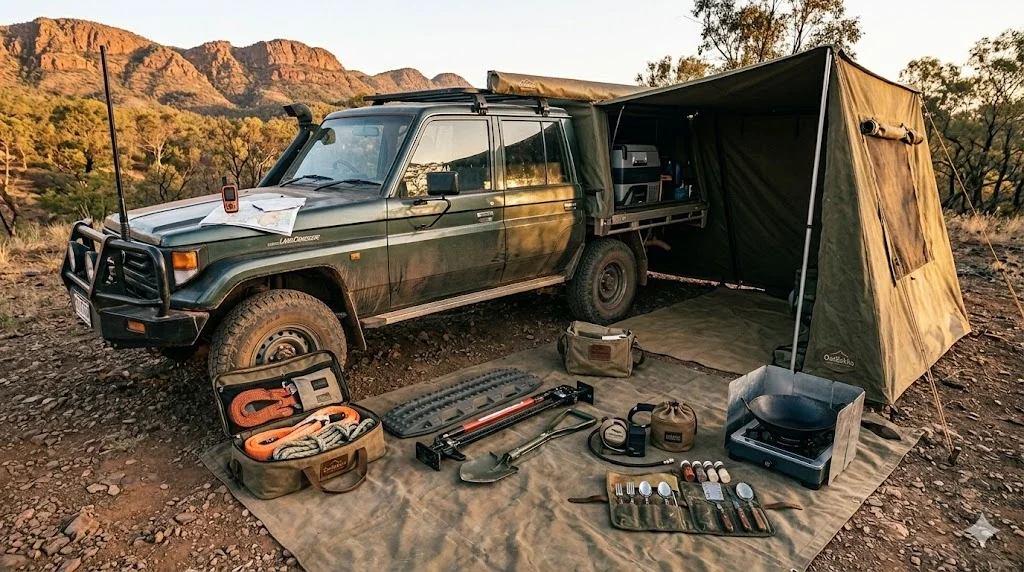
Preparing for a remote expedition across the Simpson Desert or through the red dust of the Pilbara requires more than just a sense of adventure. In Australia, the distance between “camped comfortably” and “stranded dangerously” is often just a few missed pieces of gear. This 4WD camping gear checklist is a technical manifest designed to ensure your vehicle is recovered, your camp is functional, and your safety is guaranteed in areas where help is days away.
1. Essential Vehicle Recovery & Tool Kit
Recovery gear is not for “if” you get bogged, but “when.” Australian tracks are deceptively soft. Your recovery kit should be rated to your GVM (Gross Vehicle Mass). Remember: a tow ball is not a recovery point—it is a lethal projectile under tension.
| Category | Mandatory Items |
|---|---|
| Mechanical | Quality Air Compressor (150+ PSI), Tyre Deflators, Plug Kit, Jumper Pack (Lithium), Spare Fuses, Tool Kit (Metric/Imperial). |
| Recovery | Rated Recovery Points (Front/Rear), Maxtrax boards, Snatch Strap (9m), KERR Rope, Folding Shovel, Tree Trunk Protector. |
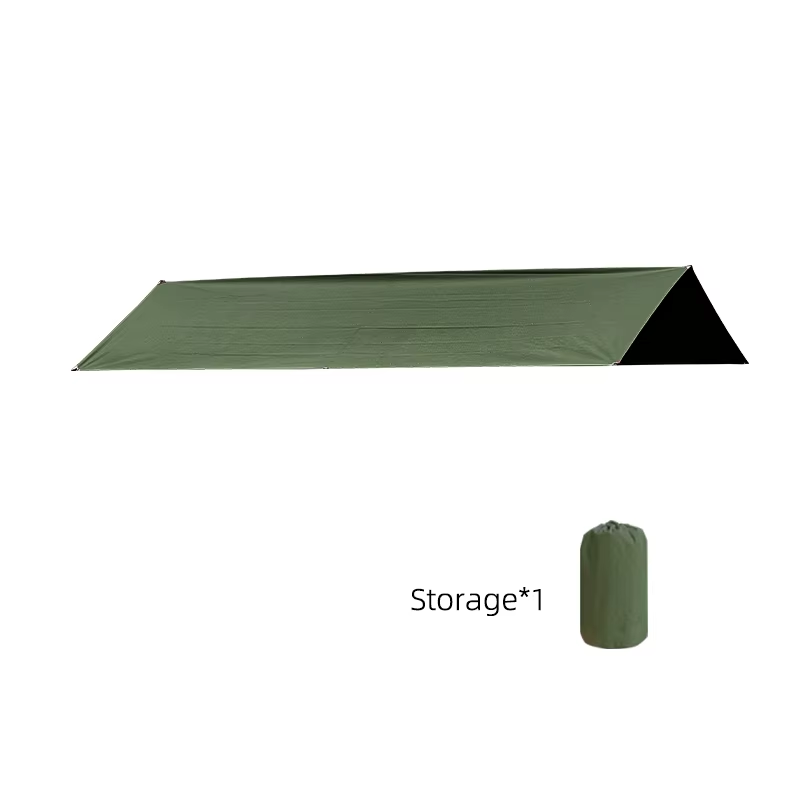
Basecamp Shade
OutBakka Ranger Canopy
Heavy-duty shade solution designed for Australian wind loads. A vital piece of gear for surviving the 40°C heat of a Pilbara afternoon.
2. The “Overland” Camp Kitchen & Pantry
Cooking in the bush requires gear that handles vibration. Plastic clips break; canvas and iron endure. Your kitchen should be centered around a reliable 12V fridge/freezer to maintain the cold chain during multi-day desert crossings.
- The Iron Advantage: A forged iron wok or skillet handles the direct heat of coals and gas stoves without warping.
- Wind Management: A stove windscreen is the most underrated item on this list. It saves up to 50% of your gas usage in coastal conditions.
- Organisation: Rattle-proof your pantry with soft-sided storage like a waxed cutlery roll and canvas spice bag.
3. Remote Comms & Survival Readiness
In the “Dead Heart” of Australia, mobile phones are useless. If you break an axle 300km from the nearest station, your life depends on these three items:
- PLB (Personal Locator Beacon) or Satellite Communicator: A Garmin InReach or Spot allows 2-way messaging; a PLB is for “final resort” rescue. Carry both.
- UHF Radio: Channel 40 is for road safety; Channel 18 for caravans/camping. Use it to communicate with oncoming road trains on narrow tracks.
- Water Capacity: The rule is 10L per person per day plus a 3-day emergency reserve.
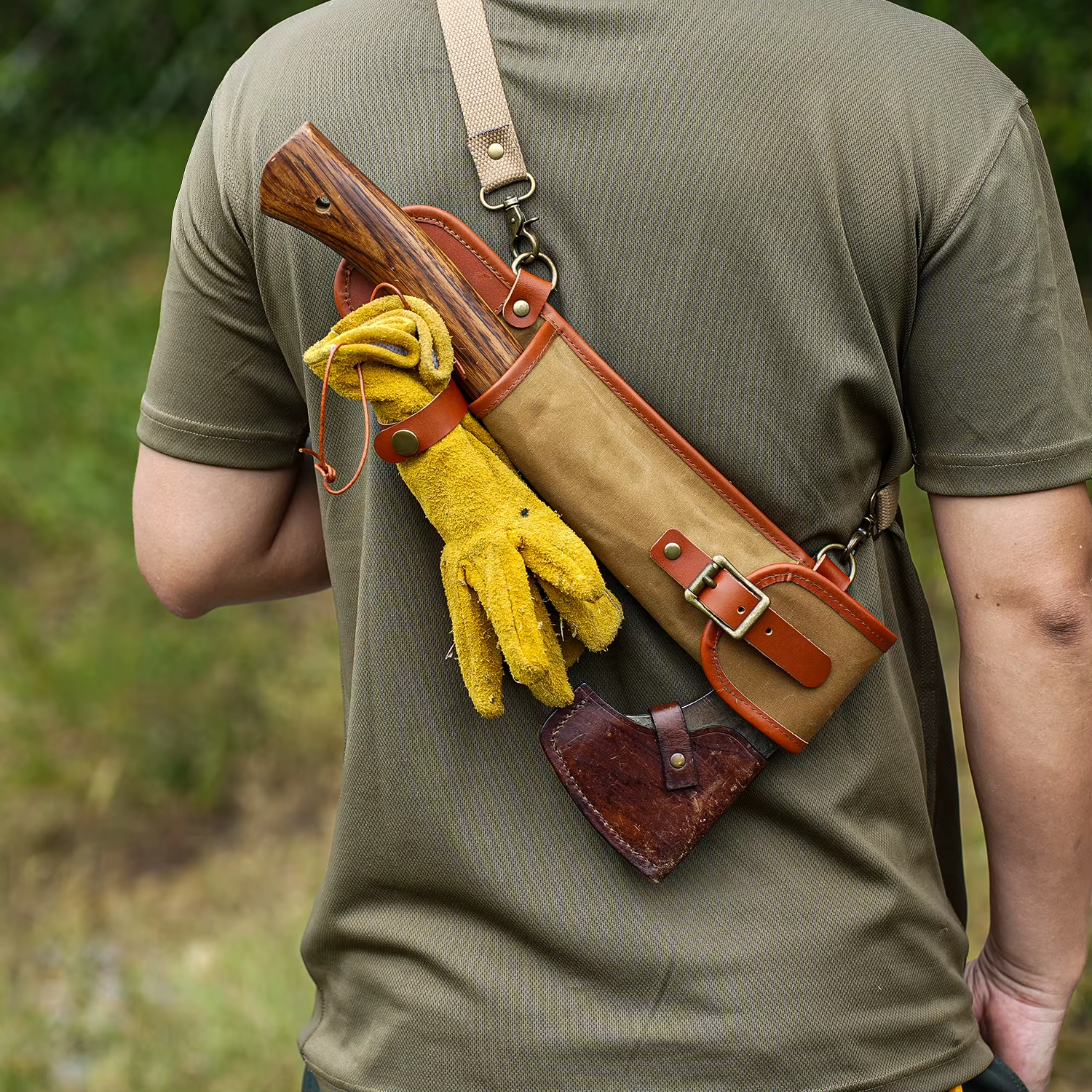
Survival Gear
Multi-Function Flint Rod Kit
Reliable fire starting that won’t leak like a lighter or get wet like matches. A permanent resident of your emergency grab-bag.
Summary: The Pre-Track Checklist
- GVM Check: Ensure your load is balanced and within legal weight limits.
- Spare Parts: Carry 2x spare tyres, 1x fan belt, and 1x fuel filter.
- Digital Prep: Download offline maps (WikiCamps/Hema) before leaving.
- Fire Safety: Carry a fire extinguisher (ABC rated) in an accessible location.
- First Aid: Use a wilderness-rated kit with compression bandages for snake bites.
Frequently Asked Questions
Is a 12V Fridge better than an ice cooler?
How much recovery gear is too much?
What is the ‘Channel 40’ rule?
Should I carry a second spare tyre?
Success in the Australian bush is built on preparation. Use this 4WD gear checklist to ensure your rig is ready for the long haul. Explore the full OutBakka Range for gear that is tested, trusted, and built for the toughest tracks on Earth.