The difference between a good overlanding trip and a great one often comes down to how well you eat. A well-designed camp kitchen setup for overlanding isn’t about luxury — it’s about efficiency. Being able to cook a proper meal after a long, rough driving day without hunting through four bags for the spatula changes everything. Here’s how to build the best camp kitchen setup for overlanding, based on what actually works in Australian conditions.
Principles of a Great Overlanding Camp Kitchen
Before buying gear, understand the constraints. Overlanding kitchens need to be:
- Vibration-proof — corrugated tracks will shake loose anything not secured. Latches, straps, and rigid cases matter.
- Compact — you have limited tub/drawer space. Every item earns its place or it doesn’t come.
- Self-contained — your kitchen should pack and deploy as a single unit when possible.
- Capable — you should be able to cook anything from a boil-in-the-bag to a slow-cooked stew without compromise.
Best Camp Kitchen Setup for Overlanding: The Core Kit
The Stove
A dual-burner gas stove is the workhorse of any overlanding kitchen. Look for one with a folding windshield built into the design, but always carry a separate windscreen — Australian coastal and desert winds will defeat any integrated shield in exposed conditions. Running a camp stove without a windscreen in the Pilbara in September means burning twice the gas to do the same job.
Featured Gear
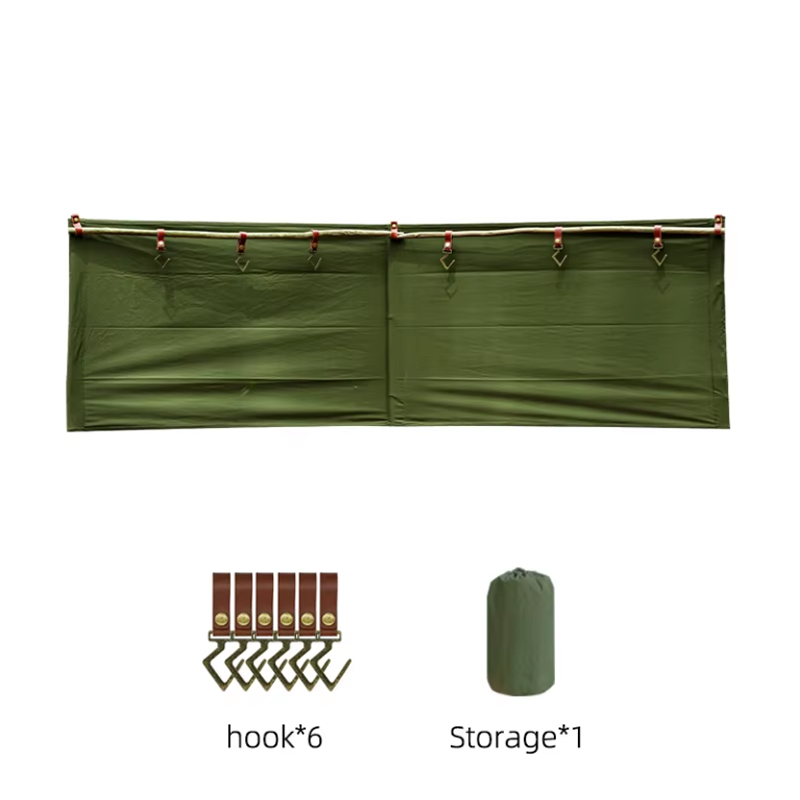
Portable Camp Stove Windscreen
Foldable aluminium windscreen that cuts heat loss and gas waste in any wind. Fits any camp stove setup. Lightweight, packs flat — zero excuse not to carry one.
View Product →Cookware
For overlanding, weight matters less than for hiking — you have a vehicle carrying the load. That means you can bring proper cookware rather than compromise on thin, sticky pots.
- Forged iron wok — faster to heat than heavy cast iron, handles high-heat stir fries and searing perfectly. Seasons naturally with use.
- Camp Dutch oven — for slow cooks, damper, roasts. Goes on the fire or gas.
- Medium saucepan — boiling water, pasta, soups, rice.
- Lid that doubles as a pan — saves space and weight.
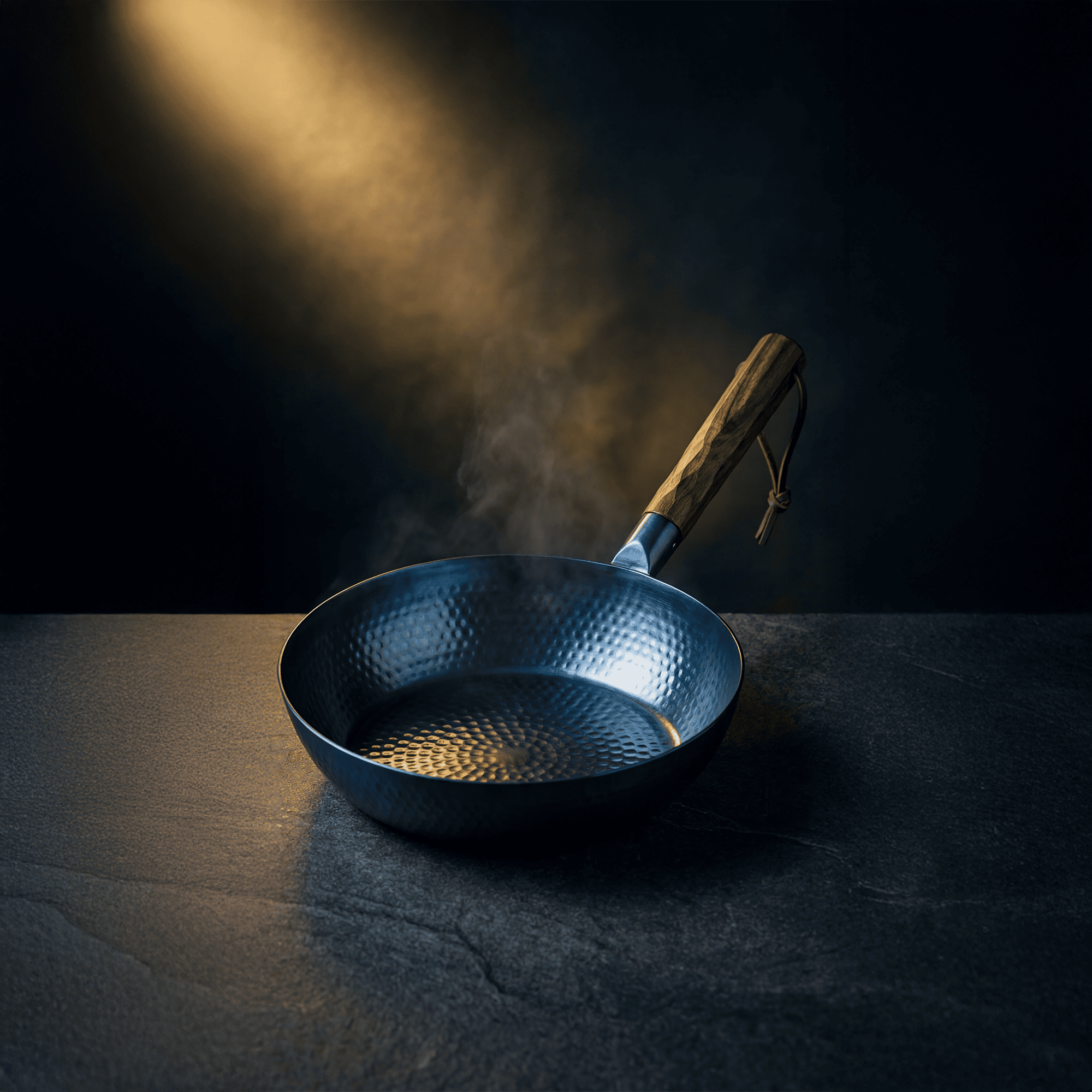
The Forged Iron Traditional Wok from OutBakka is a standout for overlanding. It handles direct flame, is lighter than standard cast iron, and the seasoned surface means food slides off without chemical coatings. Browse the full camp kitchen and cooking range for cookware that earns its space in the rig.
Featured Gear
Forged Iron Traditional Wok
Hand-hammered forged iron wok. Lighter than cast iron, seasons beautifully, handles open flame and camp stoves. A staple in serious overlanding kitchens.
View Product →Knives and Cutting
One good chef’s knife beats a set of cheap ones. Keep it in a roll with a sharpener. A folding cutting board (polypropylene) lives in the roll too. Eliminate single-use tools — the can opener lives with the cutlery roll, not in a separate bag.
Organisation: The Key to a Functional Overlanding Kitchen
Gear you can’t find quickly is gear that makes you miserable. The best overlanding camp kitchens run on organisation, not volume. Here’s the system that works:
- Pantry tub — sealed, vibration-proof container for dry goods. Label zones: carbs, condiments, snacks.
- Spice roll — keeps spices contained and accessible without spillage on rough tracks.
- Cutlery roll — all eating and prep tools in one rollable kit that deploys in 10 seconds.
- Cookware stack — wok, lid/pan, and Dutch oven nested and wrapped in a tea towel inside a rigid tub.
- Washing kit bag — biodegradable soap, sponge, small basin, all in one bag you can hang from a tree.
The Waxed Canvas Cutlery Roll from OutBakka is built specifically for this — oil-waxed canvas that sheds moisture, rolls tight, and fits in any gap in the drawer system. The Canvas Spice Storage Bag with 9 glass bottles keeps your seasonings accessible and vibration-proof on corrugated tracks.
Power and Refrigeration
A 12V fridge is the single biggest quality-of-life improvement for extended overlanding in Australia. It removes the ice dependency, keeps fresh food viable for weeks, and means you’re not eating tinned food after day three. Run it off your secondary battery (dual battery system is standard for serious overlanders) or a dedicated lithium power station.
Key Takeaways
- ✔ Every kitchen item must be vibration-proof and secured for corrugated tracks
- ✔ Dual-burner gas stove plus separate windscreen is the reliable baseline setup
- ✔ Forged iron wok beats non-stick for durability and performance in the field
- ✔ Organisation systems (rolls, tubs, zones) make cooking fast after long drive days
- ✔ A 12V fridge is worth every dollar for Australian summer overlanding
- ✔ Waxed canvas rolls for cutlery and spices are compact and moisture-resistant
Frequently Asked Questions
What is the best stove for overlanding in Australia?
A dual-burner gas stove with a separate windscreen is the most practical setup. Propane/butane mixes perform well across Australian temperature ranges. For fire-cooking locations, a solid camp oven tripod or grill grate adds flexibility. Avoid single-burner stoves for multi-person overlanding — they create bottlenecks at every mealtime.
How do I stop my camp kitchen gear rattling on rough tracks?
Nest cookware with tea towels or silicone trivets between pieces. Pack the tub firmly so nothing can move inside it. Use drawer dividers or cut foam to fit your specific tub dimensions. Latching lids rather than snap lids. Anything that can rattle will rattle — address it at home before you leave.
Is a camp Dutch oven worth carrying for overlanding?
Yes, if you’re camping in locations where fires are permitted and you plan to stay more than two nights at a site. A camp oven expands your menu dramatically — casseroles, damper, roast chicken, baked desserts. The weight is real, but for vehicle-based overlanding it’s manageable. Don’t bring one for short weekenders where you’re moving camp every day.
How much gas should I carry for a two-week overlanding trip?
A rough guide: two people cooking two meals a day using a dual-burner stove will use roughly one standard 450g gas canister every 3–4 days. For two weeks, carry six canisters minimum — more if you’re in cold conditions (gas performance drops in cold weather) or spending more time at camp. Always carry more than you calculate you’ll need.
Build your best camp kitchen setup for overlanding piece by piece — start with the stove and cookware, then add organisation systems as you refine your workflow. Find quality gear built for Australian conditions at OutBakka’s camp kitchen range and eat well on every trip.